Top 10 Native Plants for Sacramento Landscapes (and Why They Matter)
California and Sacramento native plants are really quite special. Not only do they look beautiful in your backyard, front yard or garden, but they also help you reduce water use by up to 85% compared to turf, cut down on fertilizers and pesticides, support biodiversity by attracting pollinators and birds, and foster a living ecosystem that rewards you with low-maintenance beauty!
As plant lovers with several years of supporting homeowners with their landscape projects, we have compiled a long list native plants that we would recommend to anyone interested in enjoying the benefits of California natives- here is our top ten list!
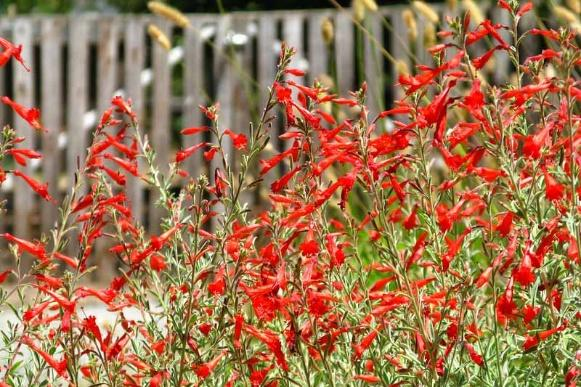
California fuchsia (Epilobium canum) has bright red blooms in late summer or fall. Hummingbirds love it and we love it too! It needs monthly deep watering and it is fire-resistant. However, do note though that it tends to flop if the soil is overly fertile. We recommend this plant as a border edge plant or massed drifts.
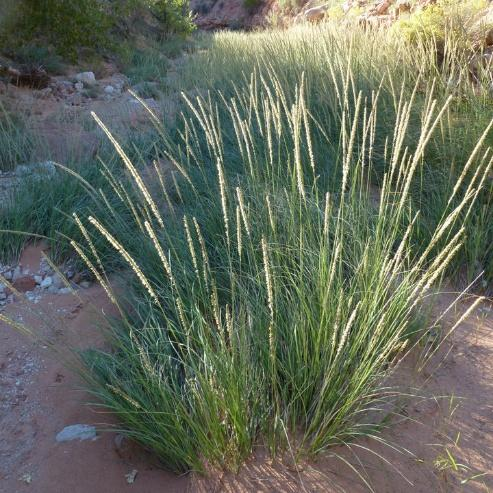
Deer grass (Muhlenbergia rigens) – This clumping grass grows to 3-4 ft tall, and the seed heads are adored by birds. It tolerates clay or sandy soils, and only needs a little water once mature. Use this as anchor grass in a meadow or around trees.
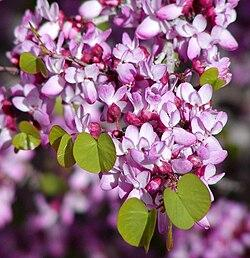
Western redbud (Cercis occidentalis) is a small stunning tree/shrub with magenta blooms in spring. It adapts to most soils including clay. However, the seed pods can be messy, and shade lovers tend to dislike this. But it is ideal as a spring focal point or under power lines.
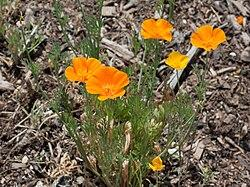
California poppy (Eschscholzia californica): We just love the California poppy’scheerful orange blossoms from February to September. It thrives in sandy well-drained soil and requires minimal water. Also it could be seasonal in some regions, but it makes up for this by reseeding abundantly. It is great for slopes or meadow edges.
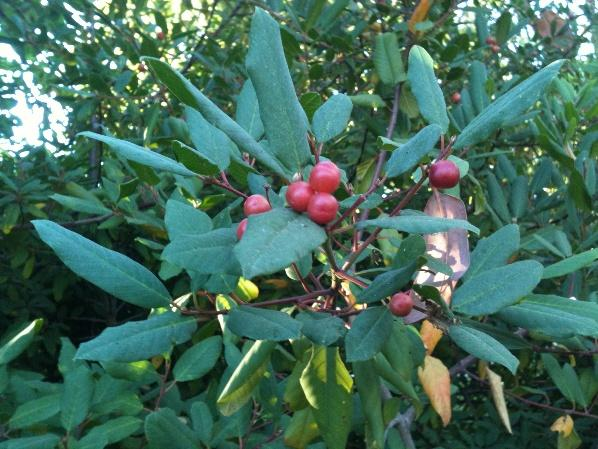
Coffeeberry (Frangula californica) is an evergreen shrub whose berries birds love to feed on. It is very resilient and grows in many soil types. Gardeners like to prune it lightly to a preferred shape. However, it is slow to establish, and can be quite woody. Therefore, use this for hedges or mixed habitat borders.
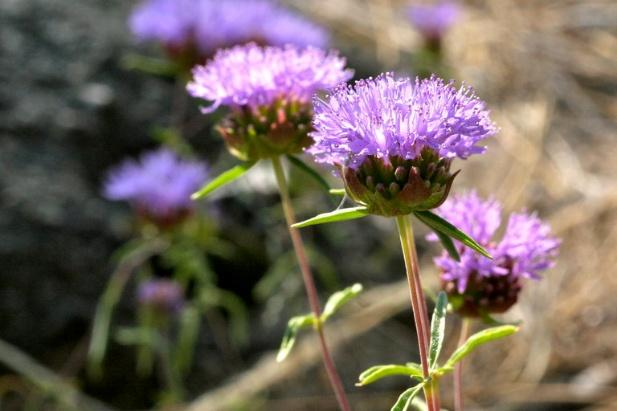
Coyote mint (Monardella villosa) ‘s fragrant purple-pink flowers bloom in the mid-summer, and is a butterfly magnet. Enjoy this plant as a good groundcover or edge plant.
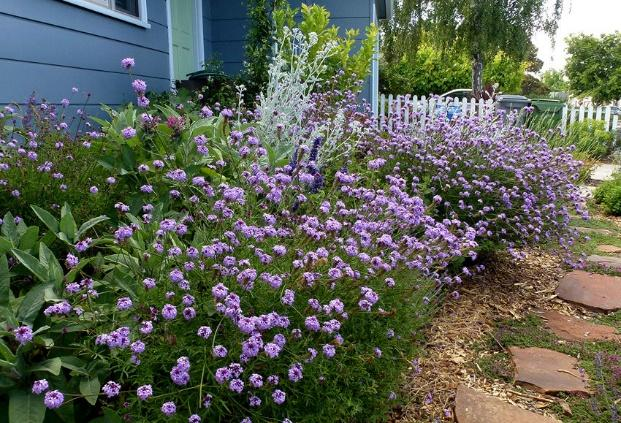
De La Mina verbena (Verbena lilacina) – The lavender blooms of this plant blossom between spring and fall, and we love its compact tidy habit. It is also very butterfly-friendly. It is ideal in mixed perennial beds.
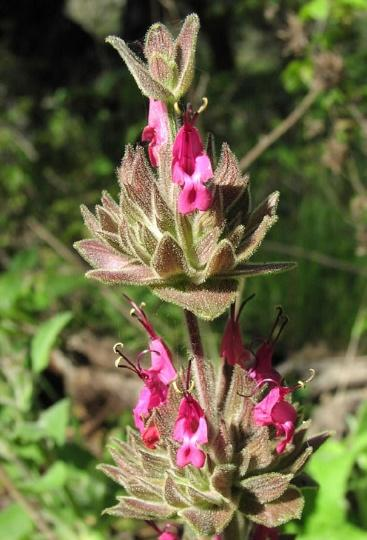
Hummingbird sage (Salvia spathacea) has magenta spikes, and aromatic green foliage. It loves to spread in the dry shade under oaks and attracts hummingbirds. It does tend to have a sprawling habit, with occasional mildew that is treatable with milk spray. Use this plant under canopy or shady slopes.
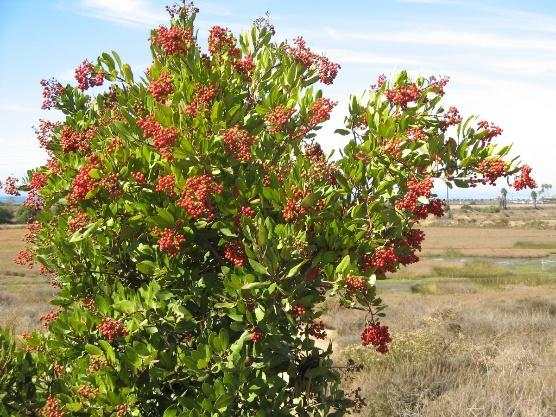
Toyon (Heteromeles arbutifolia) is an evergreen shrub with white blooms and red berries. Also, it is an excellent wildlife hedge. It grows large and is quite spiny, and it needs space to thrive or needs frequent pruning. It is good for defenders or privacy screening.
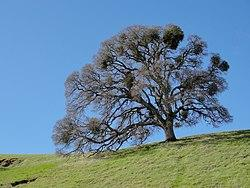
Valley oak (Quercus lobata) – Lastly we have on our list a tree that is majestic and lives on for many years! The Valley oak supports butterflies, birds, and soil health. It is not for small yards as it is huge in size with very expansive roots. Furthermore, Valley Oak is best planted in parks or large orchards.
In Summary:
Whether you’re a homeowner wanting curb appeal or a landscaper building habitat-rich borders, these natives give resilience, local flavor, and environmental benefit in one drought-wise package. Design with layers, plant groupings by water need, and let nature do the work—while you enjoy the blooms!
Click “here” for drought-tolerant plants you might want to add to your landscape!