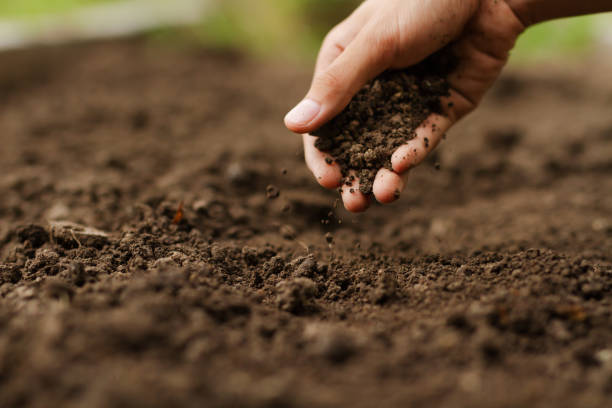
When it comes to maintaining a thriving garden or landscape, the basics of healthy soil are the foundation of success. For homeowners in sunny regions like California, where long dry seasons and intense sunlight can stress plants, understanding how soil works is especially important. Healthy soil isn’t just dirt—it’s a living ecosystem filled with nutrients, microbes, and organic matter that work together to keep plants strong and resilient.
Why Healthy Soil Matters
Learning the basics of healthy soil helps gardeners create landscapes that thrive naturally. Healthy soil improves water retention, reduces erosion, and provides essential nutrients for plants. In California’s challenging climate, these qualities are vital for saving both water and money.
Test Your Soil First
One of the first steps toward healthy soil is testing it. Affordable soil test kits are widely available and provide a snapshot of pH levels and nutrient content. This helps you decide what amendments your soil may need. In regions with heavy sun and drought, adding compost or mulch is a budget-friendly way to improve water retention and protect against soil erosion. These simple steps reduce the need for constant watering while boosting plant health.
Budget-Friendly Soil Solutions
For homeowners on a budget, small everyday practices go a long way. Kitchen scraps such as vegetable peels, coffee grounds, and eggshells can be composted at home, creating nutrient-rich material to mix back into garden beds. Choosing native or drought-tolerant plants is another cost-effective strategy. These plants thrive in California’s climate without requiring extensive fertilizers or irrigation.
Environmental Benefits of Healthy Soil
The basics of healthy soil extend beyond your own garden. By composting and reducing reliance on chemical fertilizers, you support natural soil biodiversity and minimize harmful runoff into waterways. Small choices—like reusing organic waste, planting a cover crop, or mulching—help preserve your garden while also benefiting the environment.
Local Sources for Healthy Garden Soil in California
Finding quality soil and amendments doesn’t have to be difficult. Here are some local options:
Local Nurseries & Garden Centers
– Stores like Green Thumb or Orchard Supply (OSH) often carry high-quality topsoil, compost mixes, and organic amendments tailored for California’s climate.
Municipal Composting & Green Waste Programs
– Many California cities, including Los Angeles, San Diego, and San Jose, offer free or low-cost compost and mulch through green waste recycling programs. Check your local public works or waste management department.
Community Gardens & Urban Farms
– Some community gardens sell or share compost blends made on-site. They’re also great places to learn hands-on soil care tips from fellow gardeners.
Farmers’ Markets
– Beyond fresh produce, many California farmers’ markets feature vendors selling organic compost, worm castings, and soil amendments—straight from local farms.
Bulk Soil Suppliers
– For larger landscaping projects, companies like Lyngso Garden Materials (Bay Area), Soil & Sod Depot (SoCal), or local landscape supply yards deliver bulk soil blends—often more affordable than bagged options.
DIY Compost at Home
– Start small by composting kitchen scraps, grass clippings, and leaves. Over time, this creates nutrient-rich soil for free.
Big-Box Stores (Budget Option)
– Home Depot, Lowe’s, and Costco carry bagged organic soil mixes and amendments. While not as specialized, they’re a convenient option for quick fixes.
Final Thoughts
Mastering the basics of healthy soil is one of the best investments you can make for your garden, your home, and the environment. Whether you choose to test your soil, start composting, or buy local amendments, every step contributes to stronger plants and a healthier landscape. Check here for top 10 California native plants you can plant, now that you know the basics of healthy soil!