
Landscaping for Carbon Sequestration: What Works in Urban Settings
In today’s cities, green spaces do more than beautify neighborhoods — they also help fight climate change. Understanding carbon sequestration in landscaping can guide urban homeowners, planners, and landscapers toward choices that actually make a difference.
What Is Carbon Sequestration in Landscaping?
Carbon sequestration in landscaping refers to the process of capturing and storing atmospheric carbon dioxide in plants and soils. Through photosynthesis, trees, shrubs, and even lawns absorb CO₂ and lock it away, reducing greenhouse gas levels. In urban environments, where paved surfaces dominate, every patch of green space counts.
Best Practices for Urban Landscapes
1. Plant the Right Trees
Trees are powerful carbon sinks. In compact city spaces, choose native or climate-adapted species that grow steadily and require minimal maintenance. For instance, oaks, maples, and native palms can thrive while storing large amounts of carbon over time.
2. Improve Soil Health
Healthy soil holds carbon effectively. Adding compost or organic mulch boosts microbial life and helps retain carbon underground. Moreover, avoid over-tilling and use natural fertilizers whenever possible.
3. Use Layered Vegetation
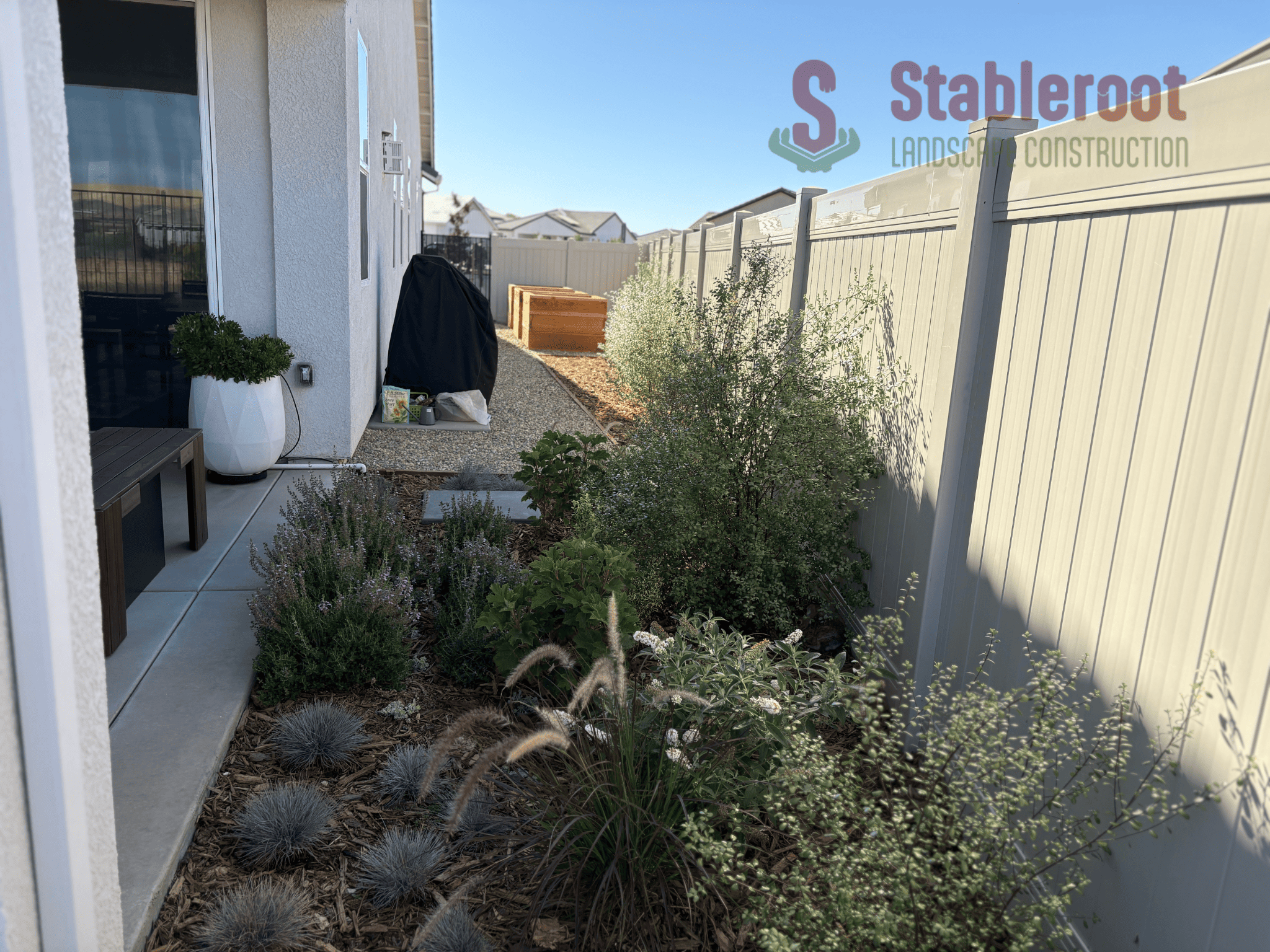
Combining trees, shrubs, and groundcover plants increases the total carbon stored per square meter. This layered design also enhances biodiversity, reduces heat, and improves stormwater management — a win for both the climate and the community.
4. Green Roofs and Walls
Urban areas often lack open soil, but green roofs and living walls offer excellent alternatives. They not only support carbon sequestration in landscaping but also insulate buildings, reducing energy use and emissions.
Everyday Choices That Make a Difference
Even small steps contribute to urban carbon storage. Composting, reducing lawn size, and reusing rainwater all support soil carbon retention. Importantly, maintaining plants with electric or manual tools — instead of gas-powered ones — further lowers emissions.
The Long-Term View
While no single landscape can solve climate change, carbon sequestration in landscaping offers a practical and local way to make cities more resilient. With thoughtful plant choices and sustainable soil care, urban green spaces can capture carbon while making neighborhoods cooler, cleaner, and more inviting.
For some insight on low water use lawn alternatives, click here.