What Sustainable Landscaping Really Means—and Why It Matters in California

Sustainability is more than just a buzzword It’s a necessity, especially in regions facing water scarcity and climate challenges. In fact, sustainable landscaping in California is becoming essential for homeowners who want beautiful outdoor spaces that also conserve resources and support the environment.

But what does sustainable landscaping really mean? And why does it matter so much in California?

What Is Sustainable Landscaping?

At its core, sustainable landscaping is about designing and maintaining outdoor spaces in a way that works with nature, not against it. This approach focuses on conserving water, improving soil health, and reducing environmental impact.

In California, where drought conditions and high temperatures are common, sustainable landscaping in California often includes:

  • Drought-tolerant plants
  • Efficient irrigation systems
  • Soil-building practices like composting
  • Reduced reliance on chemical fertilizers

Why Sustainable Landscaping Matters in California

1. Water Conservation

Water is one of California’s most limited resources. Sustainable landscapes use less water through:

  • Native and drought-resistant plants
  • Drip irrigation systems
  • Mulching to reduce evaporation

As a result, homeowners can significantly lower water bills while maintaining a healthy garden.

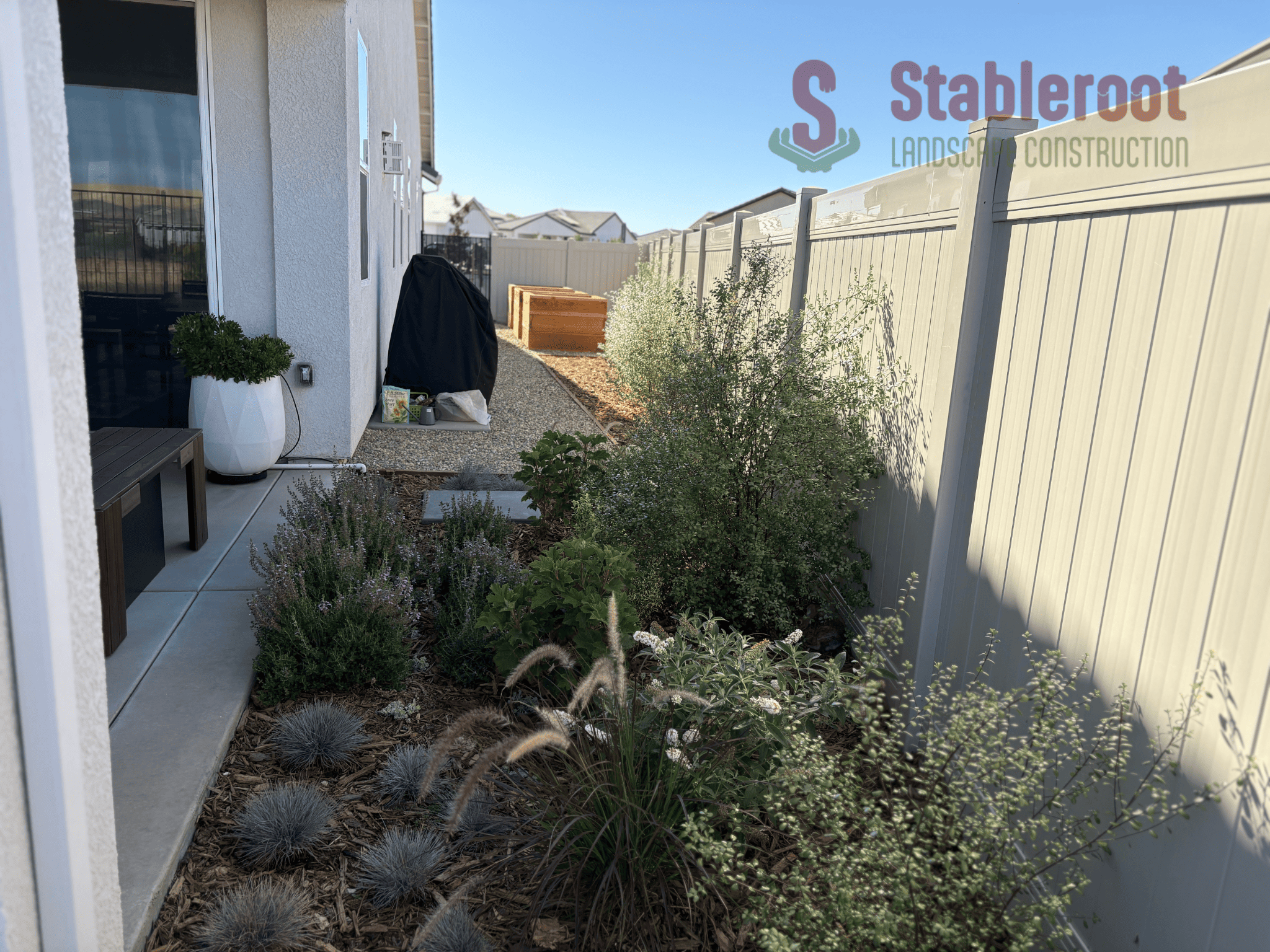
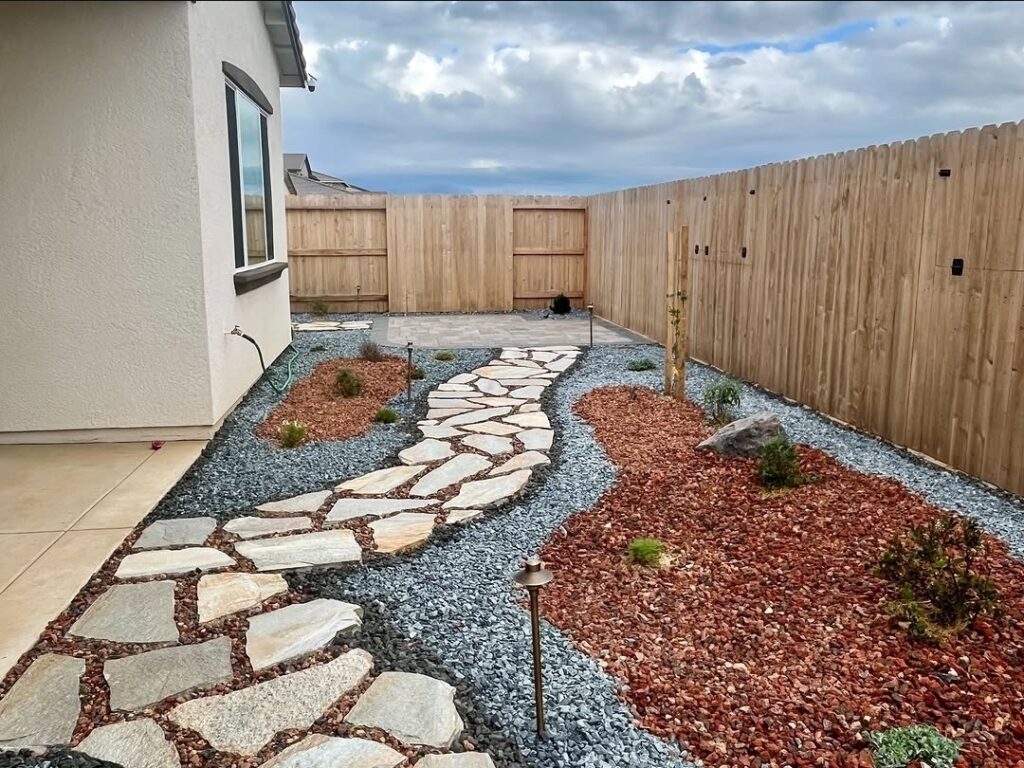
sustainable landscaping stableroot1
One of our projects at Rancho Cordova, California. We planted drought-resistant shrubs and trees as well as walkable rock for water conservation and water drainage.

2. Climate Resilience

California frequently experiences droughts, heatwaves, and wildfires. However, landscapes designed with sustainability in mind are more resilient.

For example:

  • Deep-rooted plants improve soil stability
  • Native species adapt better to local conditions
  • Reduced lawn areas lower maintenance needs

Because of this, sustainable landscaping in California helps create outdoor spaces that can withstand extreme conditions.

3. Soil Health and Carbon Storage

Healthy soil plays a major role in sustainability. Practices such as composting, mulching, and planting deep-rooted vegetation help store carbon and improve soil structure.

Additionally:

  • Soil retains more moisture
  • Plants grow stronger with fewer inputs
  • Carbon is stored underground for long-term benefits

4. Supporting Local Ecosystems

Sustainable landscaping also supports biodiversity. By choosing native plants, you create habitats for:

  • Pollinators like bees and butterflies
  • Birds and beneficial insects
  • Soil microorganisms

Consequently, your garden becomes part of a larger, thriving ecosystem.

Key Elements of Sustainable Landscaping in California

To successfully implement sustainable landscaping in California, focus on these essential elements:

Native and Drought-Tolerant Plants

Plants adapted to California’s climate require less water and maintenance, making them ideal for long-term sustainability.

Efficient Irrigation Systems

Drip irrigation and smart controllers ensure water is used efficiently, minimizing waste.

Layered Planting Design

Combining trees, shrubs, and groundcovers improves shade, reduces evaporation, and enhances biodiversity.

Soil Care Practices

Adding compost and organic matter strengthens soil and supports plant health naturally.

How Homeowners Can Get Started

Transitioning to sustainable landscaping doesn’t have to happen all at once. Small changes can make a big difference.

Start with:

  • Replacing sections of lawn with native plants
  • Installing mulch to retain soil moisture
  • Upgrading to a water-efficient irrigation system
  • Composting yard and kitchen waste

Over time, these steps create a landscape that is both eco-friendly and visually appealing.stableroot.com/drought-tolerant-plants-to-consider-for-your-yard

Learn more about drought-tolerant plant you can add to your landscape here!

Share the Post:

Related Posts