
The Role of Trees and Deep-Rooted Plants in Storing Carbon

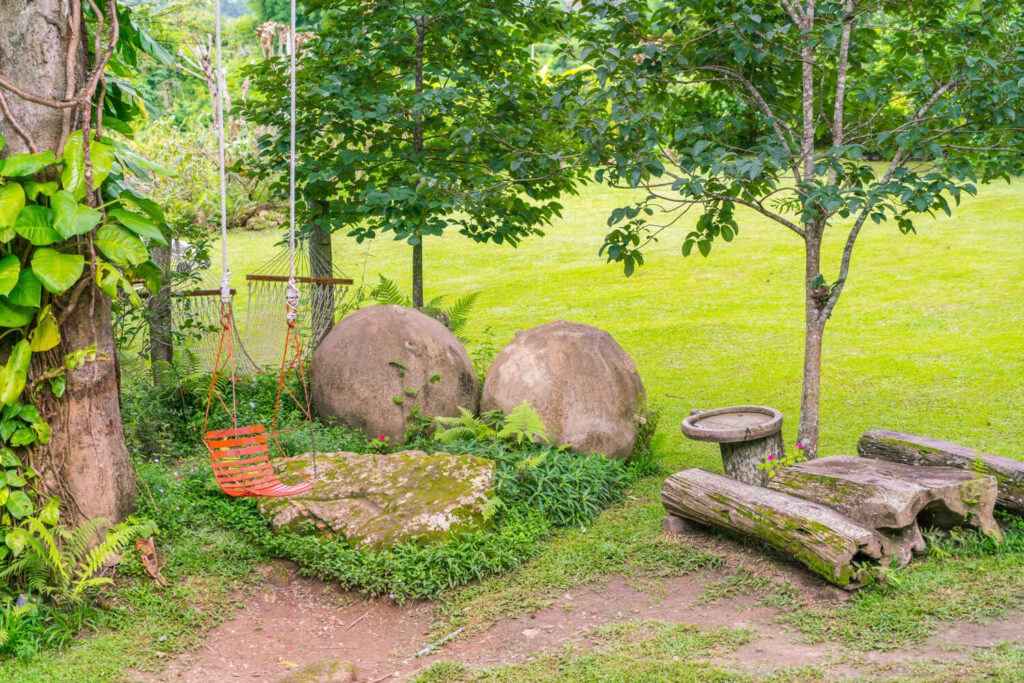
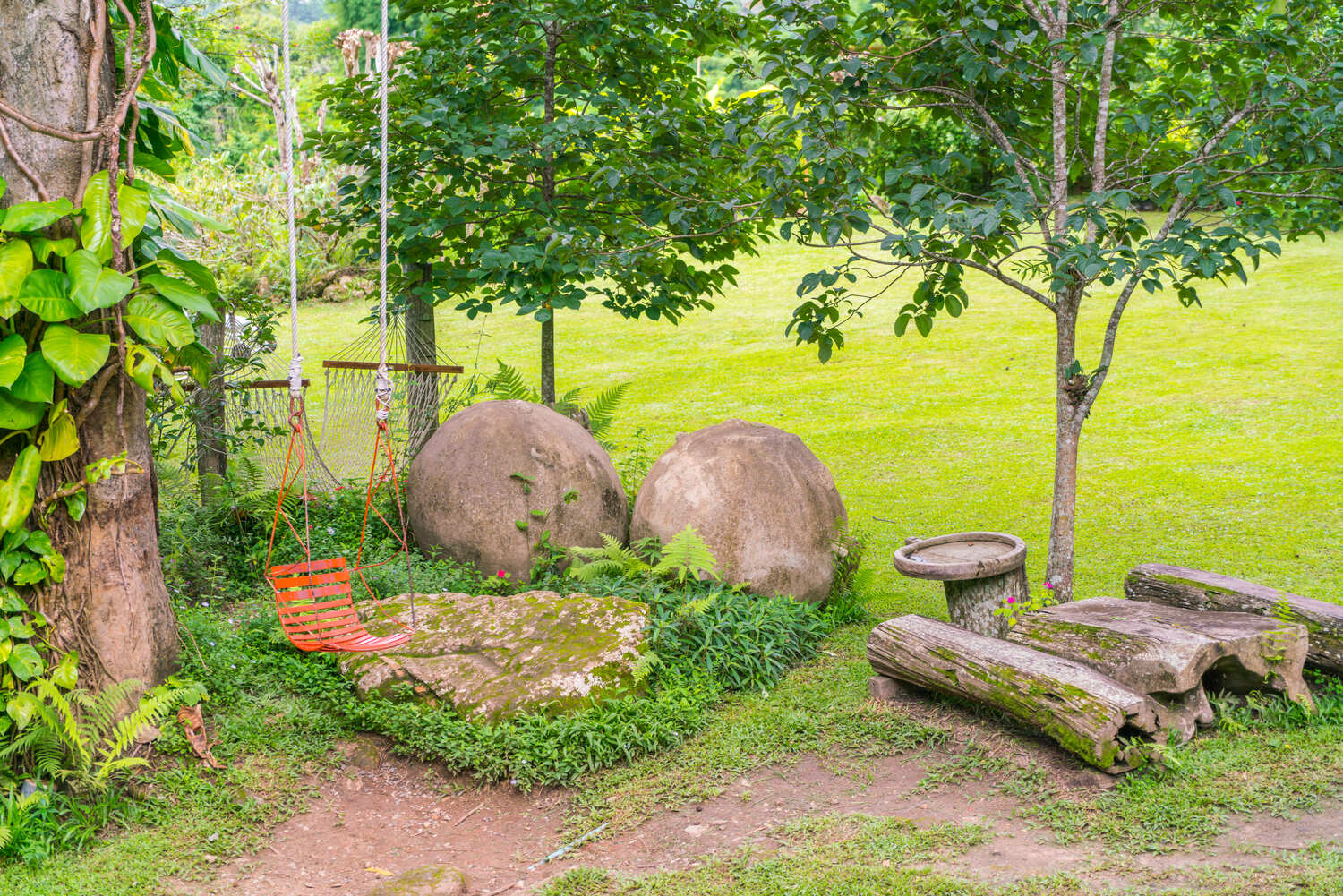
tree in backyard

Climate-smart landscaping is no longer just a trend; it’s a necessity. One of the most effective natural tools we have is vegetation itself. In fact, trees and deep-rooted plants help to store carbon both above and below the ground, making them powerful allies in the fight against climate change.
Understanding how these plants work and how to use them strategically can transform gardens, urban spaces, and landscapes into long-term carbon sinks.

How Plants Store Carbon Naturally

Plants absorb carbon dioxide (CO₂) from the atmosphere through photosynthesis. They then convert it into carbon compounds that are stored in:

  • Trunks, branches, and leaves

  • Roots and root systems

  • Surrounding soil through organic matter

While all plants play a role, trees and deep-rooted plants are especially effective because they store carbon for longer periods of time.

Why Trees Are Carbon Storage Champions

Trees are unmatched when it comes to long-term carbon sequestration. As they grow, they lock carbon into woody biomass that can remain stored for decades — or even centuries.

Key benefits of trees for carbon storage:

  • Large biomass = higher carbon absorption

  • Long life span = long-term carbon retention

  • Shade reduces heat and energy use in urban areas

  • Leaf litter enriches soil carbon over time

Because of these factors, trees form the backbone of many climate-positive landscaping strategies.

The Hidden Power of Deep-Rooted Plants

While trees get much of the attention, deep-rooted plants are equally important. Grasses, perennials, shrubs, and native plants with extensive root systems move carbon deep into the soil, where it is more stable.

Why Deep Roots Matter:

  • Carbon stored underground is less likely to be released

  • Roots improve soil structure and microbial life

  • Healthy soils retain more carbon and water

  • Deep roots reduce erosion and increase resilience

This is why trees and deep-rooted plants help to store carbon more effectively than shallow-rooted vegetation.

Carbon Storage Happens Below the Surface

Surprisingly, soil can store more carbon than the atmosphere and vegetation combined. When deep-rooted plants deposit organic material underground, they feed beneficial microbes that stabilize carbon in the soil.

As a result:

  • Carbon remains locked away longer

  • Soil fertility improves naturally

  • Less reliance on synthetic fertilizers is needed

Therefore, planting for carbon is as much about soil health as it is about what grows above ground.

Using Trees and Deep-Rooted Plants in Landscaping

Whether designing a backyard garden or a city park, thoughtful plant selection makes a difference. Here are some practical landscaping strategies:

  • Plant native trees adapted to local climate

  • Mix trees with shrubs and deep-rooted perennials

  • Avoid excessive soil disturbance

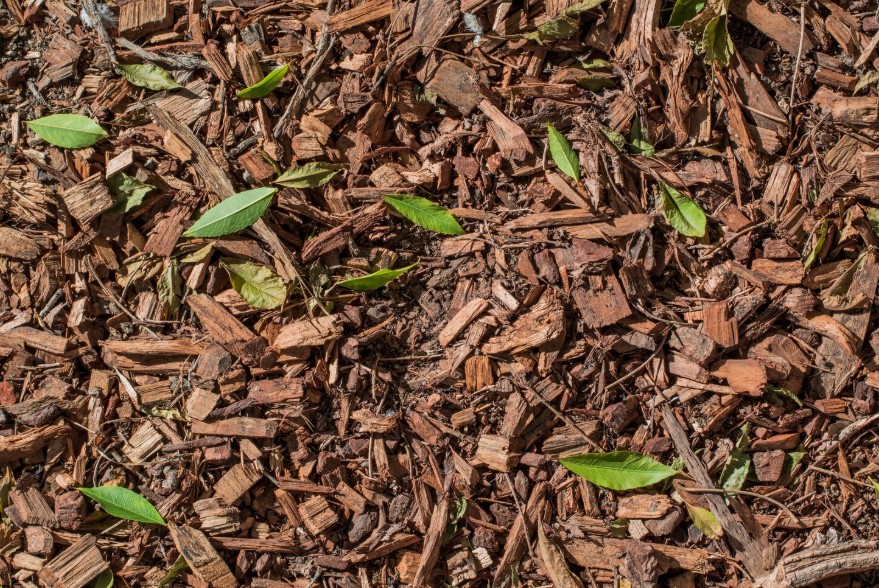
  • Use mulch and organic matter to protect soil carbon

Over time, these practices create landscapes that are not only beautiful but also climate-positive.

Final Thoughts: Small Planting Choices, Big Climate Impact

Carbon storage doesn’t require massive reforestation projects alone. It also happens in neighborhoods, gardens, and urban spaces. By understanding how trees and deep-rooted plants help to store carbon, homeowners and designers alike can make choices that support healthier ecosystems and a more stable climate.

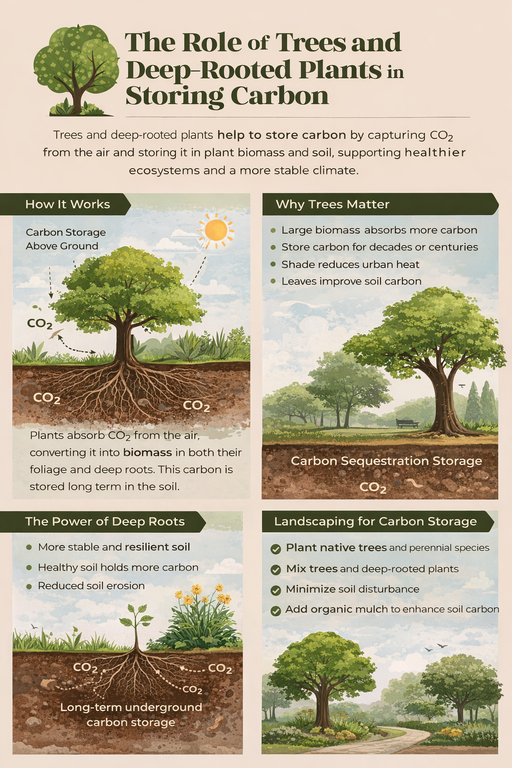
Check out this infographic below that highlights the role of trees and deep-rooted plants in storing carbon.

infographic of the role of trees and deep-rooted plants in storing carbon

If you want to learn more about native California plants and find options of trees and deep-rooted plants, click here and here.

Share the Post:

Related Posts